There often comes a time when older parents begin using their car less frequently. Perhaps they’ve moved somewhere with better public transportation, prefer getting lifts from family members, or simply don’t feel as comfortable driving as they once did. Whatever the reason, having an unused car sitting on the driveway isn’t particularly helpful. It can still cost money to maintain, and leaving it untouched for long periods can lead to mechanical problems.
Fortunately, there are several practical options worth discussing with your parents.
Table of Contents
Sell the Car and Put the Money to Better Use
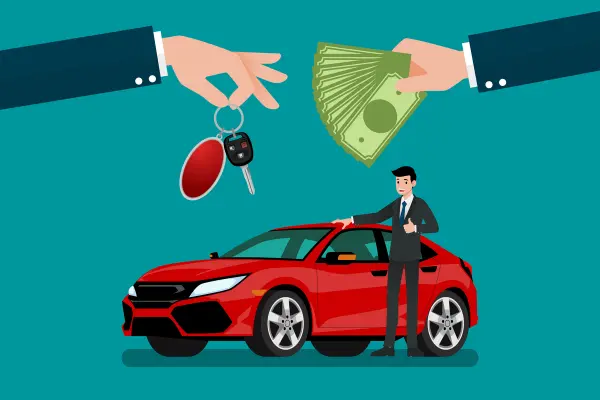
If your parents have decided they won’t be driving again, selling their vehicle could be the most sensible choice. Used cars can retain considerable value, particularly when they’ve been well maintained and have relatively low mileage. The money could go toward everyday expenses, home improvements, or alternative transportation arrangements.
Before selling, it’s worth checking the vehicle’s market value through several sources. This will help your parents understand what they can reasonably expect to receive. The results might make them lean towards selling privately or accepting a dealership offer, depending on how much time and effort they’re comfortable investing.
Pass It Down to a Family Member
Sometimes, keeping the car within the family makes more sense than selling it. A grandchild learning to drive or an adult relative needing reliable transportation might benefit enormously from receiving a vehicle that’s no longer being used. If the family member lives farther away, it’s still easy to arrange the passing on of the car, and it won’t involve going on a long journey to get it from A to B. For example, if you want to transport your car from the Bronx elsewhere, you simply start by exploring professional vehicle shipping options available here to move it to its new location. Before handing over the keys, make sure the title transfer, registration, and insurance arrangements are handled correctly.
Consider Donating the Vehicle
If your parents don’t particularly need the money from selling their car, donating it could be a rewarding alternative. Some charities accept vehicle donations and use the proceeds to support their work. Others may arrange collection, which can make the process easier for older owners who no longer want to drive.
It’s important to research the organization beforehand and understand how the donation will be used. Your parents should also check the relevant tax rules rather than assuming they’ll automatically receive a deduction.
Keep It for Occasional Family Use
Not every unused vehicle needs to leave the household immediately. If your parents still expect to drive occasionally, keeping the car might be reasonable, provided they’re comfortable and medically fit to do so. Alternatively, another family member could use it regularly with the owner’s permission and the right insurance coverage.
However, an unused car still needs attention. Batteries can lose charge, tires can deteriorate, and fluids require periodic checks. If keeping the vehicle becomes more trouble than it’s worth, selling or transferring it may be preferable.
Make the Decision Together
Giving up a car can be surprisingly emotional, especially for someone who has spent decades enjoying the independence of driving. Rather than rushing your parents into a decision, talk through the available options and listen to their preferences. Think about their transportation needs, financial circumstances, and whether they’re likely to use the vehicle again.
The aim isn’t simply to clear space in the driveway. It’s to find an arrangement that makes practical sense while respecting your parents’ independence and helping them feel comfortable with the next chapter of their lives.