This article will be very useful to you if you want to discover How to Bypass OTP. We’ve compiled a list of the greatest fake phone numbers and disposable phone numbers websites in this article. Many customers are looking for a way to bypass OTP using Indian phone numbers. However, they are unable to locate any operational websites that provide disposable Indian phone numbers. As a result, we’ve created the Indian Number OTP Bypass technique for you. This is the most effective method for bypassing the OTP. This article will show you how to bypass OTP using Indian and foreign phone numbers.
Table of Contents
What Is OTP Verification?
OTP (One-Time Password) verification is a security method used to confirm a user’s identity during login, registration, transactions, or password recovery. OTPs are temporary codes sent through:
- SMS
- Authentication apps
- Push notifications
- Hardware tokens
The purpose of OTP verification is to add an extra layer of security beyond passwords and reduce the risk of unauthorized account access. OTP systems are commonly used in:
- Banking apps
- Social media platforms
- Email services
- E-commerce websites
- Enterprise applications
Modern OTP systems are part of two-factor authentication (2FA) or multi-factor authentication (MFA) security frameworks.
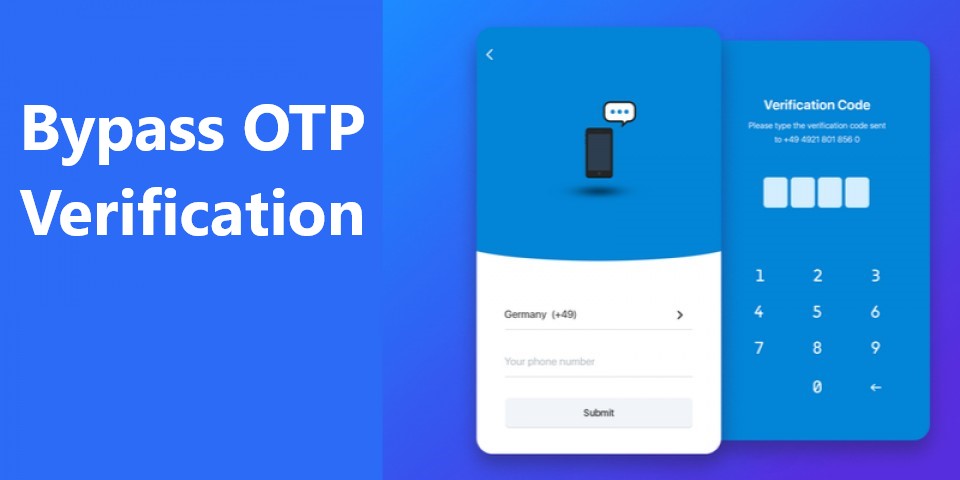
Why People Search for OTP Verification Bypass Methods
Many users search for OTP bypass methods because of:
- Lost phone numbers
- SIM card issues
- Device migration problems
- Locked accounts
- Delayed OTP delivery
- App testing environments
However, attempting to bypass OTP verification on real systems without authorization may violate:
- Platform terms of service
- Privacy regulations
- Cybersecurity laws
- Fraud prevention policies
Security experts strongly recommend using official account recovery methods instead of attempting unauthorized OTP circumvention.
Legitimate Ways to Recover Access Without OTP
If you cannot receive OTP codes, most platforms provide official account recovery options.
Use Backup Codes
Many services generate backup recovery codes when enabling two-factor authentication.
These codes can help users:
- Log in without OTP
- Recover locked accounts
- Restore access after phone loss
Use Authenticator Apps
Authentication apps such as:
- Google Authenticator
- Microsoft Authenticator
- Authy
can provide offline OTP generation without relying on SMS delivery.
Recover Through Email Verification
Some platforms allow:
- Recovery email verification
- Trusted device verification
- Identity confirmation
- Security question recovery
Contact Official Support
For banking, email, or social media accounts, users should contact official support teams instead of trying unofficial bypass methods.
Common OTP Security Risks
Although OTP verification improves security, attackers sometimes exploit weak implementations or social engineering techniques.
SIM Swapping
SIM swapping happens when attackers trick telecom providers into transferring a victim’s phone number to another SIM card. Once completed, attackers can receive OTP messages directly.
Phishing Attacks
Cybercriminals often create fake login pages that trick users into entering:
- Passwords
- OTP codes
- Verification tokens
OTP Bots
Security researchers have documented automated OTP bots that manipulate users into sharing verification codes through fake support calls or messages.
Weak Backend Security
Some poorly designed systems may contain implementation flaws such as:
- Expired OTP reuse
- Missing rate limits
- Session validation issues
- Predictable OTP generation
These are considered application security vulnerabilities that ethical hackers may report during authorized penetration testing.
OTP Testing in Authorized Security Environments
Cybersecurity professionals sometimes test OTP systems during:
- Penetration testing
- Vulnerability assessments
- Bug bounty programs
- Secure QA environments
Security research papers and VAPT (Vulnerability Assessment and Penetration Testing) reports discuss how weak OTP implementations may expose systems to abuse if proper protections are missing.
Common defensive recommendations include:
- Rate limiting
- Device binding
- OTP expiration
- CAPTCHA protection
- Session validation
- Secure random OTP generation
Testing should only occur:
- With written authorization
- In sandbox environments
- Under legal security programs
- Inside controlled development systems
How to Protect Yourself from OTP Fraud
Users should never share OTP codes with anyone, even if callers claim to represent:
- Banks
- Microsoft
- Apple
- Telecom companies
- Technical support teams
Security Best Practices
- Enable app-based authenticators instead of SMS when possible
- Avoid clicking suspicious login links
- Never share OTPs over phone calls or messages
- Monitor SIM card activity
- Use strong passwords
- Enable phishing protection
- Keep recovery information updated
Security experts also recommend using phishing-resistant MFA methods for sensitive accounts whenever available.
Common OTP Verification Problems and Fixes
Users frequently experience OTP-related issues while logging into apps or websites.
OTP Not Received
If OTP messages do not arrive:
- Check mobile network connectivity
- Verify the registered phone number
- Restart the phone
- Disable SMS filtering apps
- Wait a few minutes before retrying
OTP Expired Quickly
Most OTPs remain valid for only a short time.
Possible fixes:
- Request a new OTP
- Synchronize device time settings
- Avoid switching apps repeatedly during login
Cannot Access Old Phone Number
If you lost access to your phone number:
- Use backup recovery methods
- Contact official support
- Verify identity through recovery email
Authenticator App Not Working
Authenticator apps may fail because of incorrect device time settings.
Users can:
- Enable automatic date/time synchronization
- Re-sync authenticator apps
- Restore accounts using backup codes
Too Many OTP Attempts
Repeated failed attempts may temporarily lock the account for security reasons.
Users should:
- Wait before retrying
- Avoid multiple rapid requests
- Reset passwords if necessary
OTP SMS vs Authenticator Apps
| Feature | SMS OTP | Authenticator Apps |
|---|---|---|
| Internet Required | Sometimes | No |
| SIM Swap Risk | Higher | Lower |
| Offline Access | Limited | Supported |
| Security Level | Moderate | Higher |
| Device Dependency | Phone number | Authenticator app |
Many cybersecurity experts now recommend app-based authentication over SMS OTP because SMS systems remain vulnerable to SIM swapping and phishing attacks.
What Is The Best Way To Avoid OTP Verification
Because there is no direct solution to skip the One Time Password Process, bypassing OTP does not imply you will not have to face the OTP Verification. As a result, we utilize throwaway phone numbers to hide our genuine phone numbers. On felixmerchant.com, you can also receive temporary and rental numbers that will operate on any website or app, regardless of where you are in the world. They supply phone numbers from providers such as T-Mobile, Sprint, and Vodafone from all over the world. Because it’s a paid service, their phone numbers are kept private and aren’t used. The United States, European countries, and a few Oceania and Asian countries are among the countries.
Even though numerous websites provide free disposable numbers for SMS and OTPs, not all of them function properly. As a result, we’ve compiled a list of the best websites that provide disposable phone numbers.
Bypass Mobile Number Verification on Any Website Or App Using These Steps
- First, go to any of the disposable number websites listed in the table above. Because I use receive-sms-online.info,
- You’ll see a list of all the countries’ disposable phone numbers.
- Next, choose a number that corresponds to your country.
- Now, enter that number into the app or website where you want to skip the OTP.
- When you’re finished, the app or website will email you an OTP to the same phone number.
- Return to the disposable number webpage and enter the same phone number as on the App/Website.
- Check that number’s SMS. And the OTP will be visible there.
- From there, copy the OTP and paste it into the app/website.
- That’s all there is to it. With a legitimate number, you’ve successfully circumvented the OTP verification. Enjoy!
How to Bypass OTP for Indian Numbers
There are three ways to get around the OTP with Indian numbers. With three distinct approaches, we will show you how to bypass Indian Number OTP. To get around the Indian OTP, you can use any of the ways listed below.
Technique 1: Making Use of Disposable Indian Number
Disposable Indian Number Websites will assist you in this manner. To acquire an OTP for any one-time password verification, you can use Indian Disposable numbers for free. This will allow you to use an App or website’s service without having to provide your true contact information. Here is a list of websites that provide OTP Bypass for Indian Disposable Numbers.
Technique 2: Using a VPN, bypass the Indian Number OTP
You’ll need a VPN for this procedure (Virtual Private Network). You can install any VPN on your device based on your preferences. If you don’t know of any reliable VPNs, try Tunnel Bear or Hotspot Shield.
Step 1 – First, on your mobile device, download and install a VPN.
Step 2 – After that, open it and select any US server as your location.
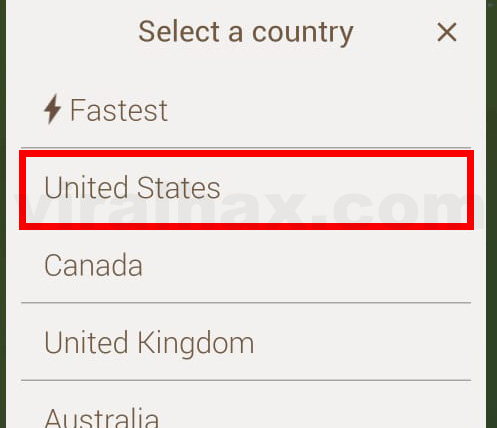
Step 3 – Then, from the chart above, go to any disposable number-providing website.
Step 4 – Choose any disposable US phone number from there and use it to circumvent OTP on your selected app or website.
Step 5 – Return to the disposable number website now. Also, read the SMS from the same phone number you used.
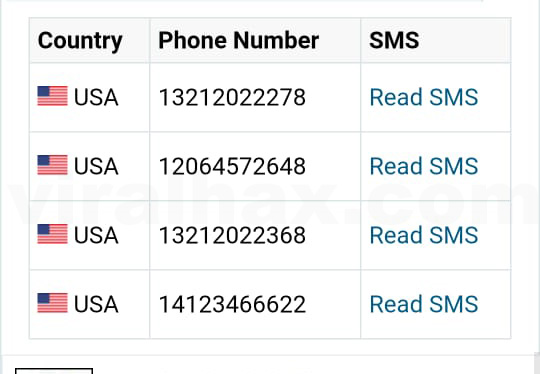
Step 6 – The OTP will be found there.
Step 7 – Finish by entering the OTP into the App or Website.
Conclusion
So that’s how you can get around OTP verification on any website or application. Whether you wish to bypass OTP on Indian or international phones, the method will work. This is the finest and simplest approach for bypassing a one-time password. Many users have inquired how to bypass OTP in India, thus we’ve included the techniques for bypassing OTP in India. I hope you find this essay useful and that you like the information. Finally, thank you for stopping here; please return.
FAQs
What is OTP verification?
OTP verification is a security process that uses temporary one-time codes to confirm user identity during login or transactions.
Is it legal to bypass OTP verification?
Attempting to bypass OTP verification on systems without authorization may violate cybersecurity laws, platform policies, and fraud regulations.
What should I do if I cannot receive OTP codes?
Users should try official recovery options such as:
- Backup codes
- Recovery email
- Authenticator apps
- Support verification
Why is OTP not secure enough sometimes?
OTP systems can still face risks such as:
- SIM swapping
- Phishing
- Social engineering
- Weak backend implementations
Are authenticator apps safer than SMS OTP?
Yes, authenticator apps are generally considered more secure because they are less vulnerable to SIM swap attacks.
What are OTP bots?
OTP bots are automated scams designed to trick users into sharing verification codes.
Can developers test OTP systems legally?
Yes, authorized penetration testing and security research may include OTP testing inside approved environments.
How can I secure my OTP accounts?
Users should enable strong passwords, app-based authentication, phishing protection, and backup recovery methods.